


Zinc die casting packaging should keep the approved surface dry, prevent parts from rubbing together and preserve traceability through transport and storage. A decorative component can leave the finishing line in acceptable condition and arrive with scuffs or moisture-related staining if its packaging does not suit the route. Start with the actual finish, part geometry and handling sequence, then validate the complete packed condition. A bag, coating or desiccant alone is not a general guarantee against damage. This guide focuses on shipping and receiving controls for finished hardware, rather than selecting a new decorative finish.
Separate corrosion protection from impact protection
Packaging has more than one job. It must limit movement and contact damage, while managing the moisture conditions around the component. A tight arrangement can prevent impact but trap water if parts or packaging enter the pack damp. A loose arrangement may permit airflow while allowing adjacent finished surfaces to rub. Review these risks together.
The International Zinc Association’s corrosion guidance identifies persistent condensation as a concern for zinc die castings. That general material guidance does not establish the performance of an unknown coating or a particular shipping pack. The finished component and its route still require their own evaluation.
Avoid treating a clean appearance at dispatch as evidence that protection will remain adequate for every storage duration. Establish where the shipment will travel, whether it will be unpacked and repacked, and how long it may remain in distribution. These conditions shape the protection required more meaningfully than a generic instruction to use export packaging.
Identify the finished condition before selecting materials
Record the substrate specification and the complete finish system supplied for the order. A gold-colored photograph does not identify the coating chemistry or its resistance to contact materials. Ask the finisher about compatible wraps, separators, cleaning residues and any conditioning needed before packing. Keep that advice tied to the actual finish revision.
The reference illustration uses the curved hardware body shown on Stick Industry’s faucet handle page. It demonstrates shape and surface appearance only. It does not establish potable-water approval, service pressure, corrosion-test results or the composition of the finish. Packaging approval cannot supply any of those missing product qualifications.
Determine which surfaces are cosmetic and which interfaces must remain free of debris. A protective wrap that leaves fibers in an opening may solve one problem while creating another. Identify the regions that may touch a separator and those that require clearance, using the drawing and actual samples rather than an approximate silhouette.

Control moisture at the point of packing
Before sealing any protective system, confirm that both the component and packing materials are suitable for that system. Investigate visible moisture or unresolved cleaning residues rather than enclosing them and hoping the package will compensate. Establish the inspection and handling method with the finisher so that drying or cleaning does not damage the surface.
SAE’s zinc die casting information report also describes corrosion associated with stagnant moisture or condensation. It supports the reason for moisture control, but does not provide a ready-made packaging recipe for a decorative hardware shipment. Do not translate a general corrosion description into a guaranteed storage life.
Where barrier packaging or desiccant is proposed, ask the packaging specialist to define the full system, closure method and intended conditions. The required capacity depends on factors such as moisture entry, internal materials and duration. Adding an unspecified sachet to an ordinary carton is not equivalent to validating a moisture-control arrangement.
Use a route-specific packaging review table
Complete this table with the supplier, logistics team and receiving warehouse. It is a proposed purchasing checklist rather than a standard prescribing universal environmental limits. Add project-specific values only when the responsible teams have established and verified them.
On narrow screens, scroll the table sideways to read every column.
| Risk point | Practical question | Evidence to retain |
|---|---|---|
| Part-to-part contact | Can finished faces touch when the carton is moved? | Packed sample and separator layout |
| Local pressure | Does the insert load a thin rim or curved projection? | Support review with actual components |
| Moisture entry | Is the closure suitable for the expected route? | Approved packaging specification |
| Internal moisture | Are parts and internal packing suitable before sealing? | Packing inspection record |
| Warehouse handling | Will the pack be opened or restacked? | Receiving and repacking instruction |
| Lot identification | Can each inner pack be traced after carton separation? | Label example and traceability record |
Inspect an assembled pack, not only drawings of its components. Small changes in separator thickness or part orientation can alter restraint and contact points. Photograph the arrangement before closing the sample and keep a clear count of parts per layer so that production packers can reproduce it.
Protect curved and projecting features
An irregular hardware body should be supported where the design can tolerate handling loads. A projecting curved end may look like a convenient locating point but can concentrate force during transport. Review the support arrangement with the product team, especially when a thin edge or decorative face is close to the insert.
Keep separate parts from becoming loose impact objects inside the pack. If fasteners or accessory pieces ship with the casting, contain them so they cannot migrate into cosmetic surfaces or cavities. Do not assume a bag prevents damage if the enclosed metal pieces can still strike the hardware body through normal movement.
Evaluate removal at the destination as well as restraint during shipping. A pack that grips the component too tightly can encourage operators to lever against the finished surface. Make the unpacking sequence straightforward and identify where the part should be held. Repeat that handling exercise with the actual receiving team where practical.

Validate the complete shipment configuration
Choose handling and transport evaluations that reflect the agreed distribution route. The product mass, carton structure, stacking arrangement and transport mode all matter. Have the responsible packaging team select appropriate methods and acceptance conditions; this article does not prescribe a generic drop height or stacking load.
Inspect components before and after the evaluation under the same agreed conditions. Separate scuffs, dents, finish transfer, staining and dimensional damage in the record. A pack can pass one aspect and fail another, so avoid a single “looks good” conclusion that conceals a localized contact mark or a loosened component.
Where moisture exposure is part of the evaluation, define the exposure and subsequent assessment with qualified reviewers. A short trial does not automatically demonstrate long-term warehouse performance. Retain the tested pack specification and identify any differences between the trial and intended shipment, including inner materials, carton loading and closure technique.
Connect packaging acceptance to the product standard
Use the approved cosmetic master when examining unpacked components. If the finish requirement itself is unclear, resolve it through the separate zinc surface finish acceptance guide. Packaging acceptance should preserve the agreed condition rather than redefine a manufacturing defect as transport damage.
For hardware with assembly interfaces, use the zinc handle fit inspection checklist as a complementary reference. After a transport evaluation, inspect any functional characteristic that the handling could reasonably affect. A visually clean surface does not prove that every interface remains within the drawing requirement.
Keep the acceptance decision tied to the complete component and pack revision. If the finish changes, reassess material compatibility. If the component geometry changes, reassess support and clearance. A carton with the same external dimensions can behave differently after an internal insert or part count is changed.
Give warehouses a practical receiving instruction
Ask receivers to record carton condition before opening when damage or wetting is evident. Photograph labels and affected areas while preserving lot identification. Segregate questionable material and keep samples of the internal packaging so that the investigation can distinguish a restraint failure from moisture entry or handling after delivery.
Do not wipe, polish or chemically clean a suspect finished part before the responsible reviewer has documented it. An improvised correction can remove evidence or damage the finish. Establish an approved disposition route for uncertain staining and contact marks, including who can authorize cleaning, rework or return.
Define how opened stock is protected and identified. Reusing an incomplete separator system can leave components unsupported, while combining lots can make a later complaint difficult to trace. Receiving instructions should explain repacking and partial-carton storage, rather than assuming every carton is consumed immediately after opening.
Put packaging deliverables into the purchase agreement
Include the inner arrangement, quantity per layer, closure method, labeling and approved material references in the order documentation. Ask the quotation to separate any validation work or special protection. Compare suppliers against the same scope so that a cheaper carton is not mistaken for an equivalent shipment solution.
For broader sourcing questions, use the site’s die casting manufacturer selection guide alongside the packaging discussion. A supplier’s general manufacturing capability should be supported by a concrete agreement on what will be delivered, how it will be packed and which records accompany the shipment.
At repeat orders, confirm that the route and storage expectations remain valid. A change from direct delivery to several months in an intermediate warehouse can justify another review even when the component is unchanged. Preserve approved pack photographs, test records and receiving feedback together so that improvements become reproducible instructions rather than informal knowledge.
Watch the manufacturing process
International Zinc Association: Zinc Diecasting Technology. This independent educational video provides process context for the design and inspection discussion.
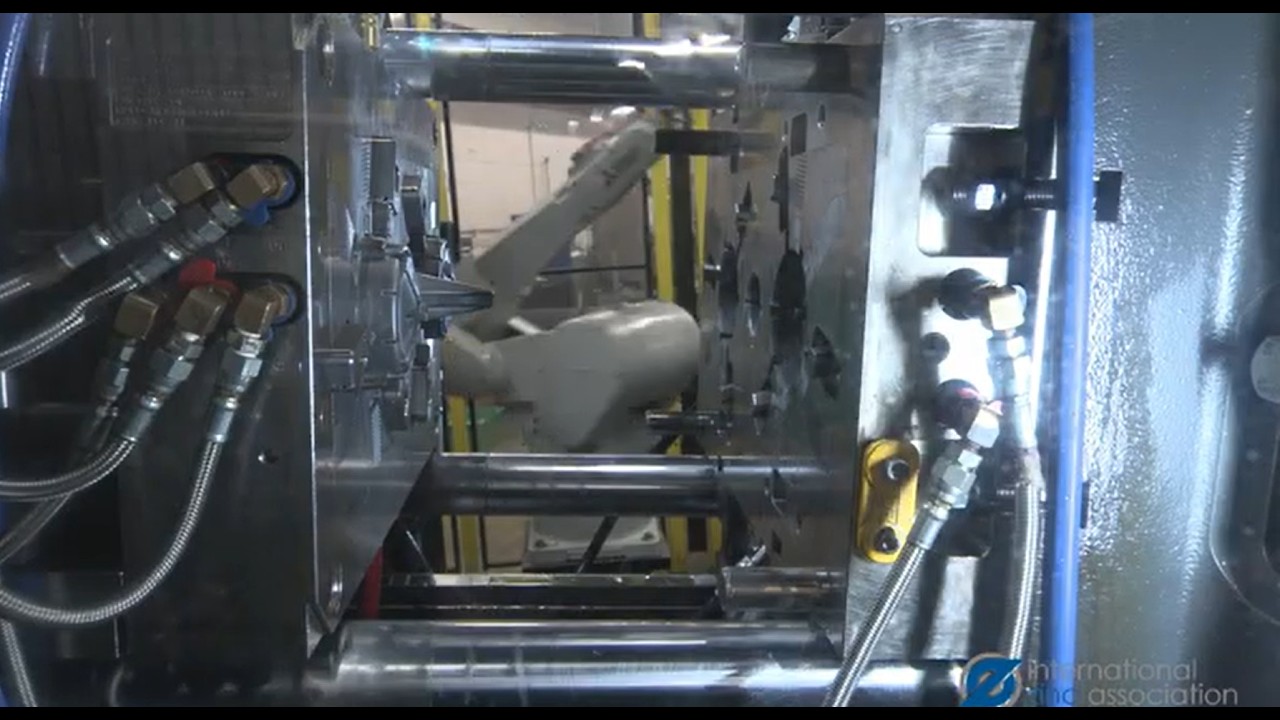
Watch Zinc Diecasting Technology on YouTube
Frequently asked questions
Does a decorative coating remove the need for moisture control?
No. The actual finish system and exposure conditions govern performance. Keep parts and packing suitable before closure, prevent avoidable moisture exposure and verify the proposed protection with the finisher and packaging team.
Can the same packaging be used for every zinc component?
Only after reviewing geometry, finish compatibility, restraint and route conditions. A pack approved for one shape or part count should not be assumed adequate for a different component simply because both are zinc die castings.
What should happen if white staining appears at receiving?
Document the condition, retain traceable samples and segregate affected material for review. Do not infer the cause or start unapproved cleaning from appearance alone. Examine the component, packaging and transport history together before deciding disposition.